

AARON GENTZLER:
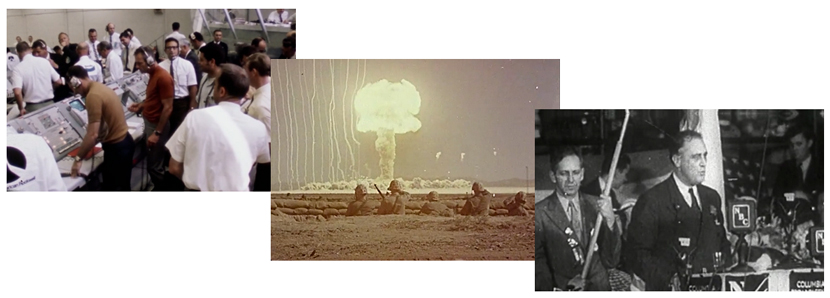
It’s bigger than the space program that put man on the moon…
Bigger than the Manhattan Project that ended World War II…
Even bigger than the New Deal that pulled America out of the Great Depression…
President Trump just launched the most ambitious project in US history.
Something one tech insider is calling Project Oppenheimer.
Our guest today says that President Trump is tapping into a proven blueprint for economic growth…
Something that hasn’t happened in over 80 years.
Smart investors who see what’s coming could stand to benefit significantly…
While those who don’t, could get blindsided.
So, what exactly is Trump’s Project Oppenheimer?
Why isn’t the mainstream media talking about it?
Here to pull back the curtain on Project Oppenheimer is our special guest, James Altucher.
- James is a Wall Street Journal bestselling author…
- Former hedge fund manager, and…
- Host of The James Altucher Show — a podcast with over 60 million downloads, where he’s interviewed some of the biggest names in Silicon Valley, Wall Street, and Washington, D.C.…
Back in 2007, he went on CNBC saying Facebook would become a $100 billion company.
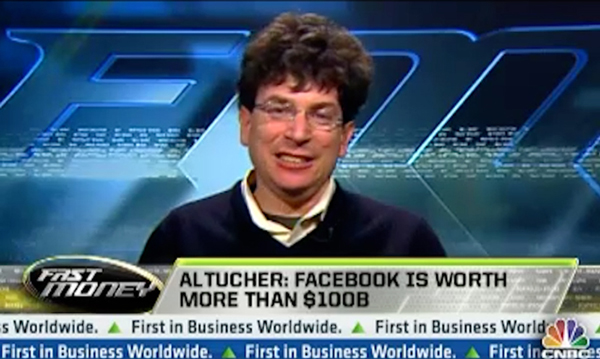
At the time, Facebook was still a private startup rumoured to be worth about $1 billion.
Eventually, it went public and 100X’d into a $100 billion valuation, and then grew another 10 times over into a trillion-dollar company.
Next, in 2013, James went on CNBC again and pounded the table for Bitcoin when it was just $114 per coin.
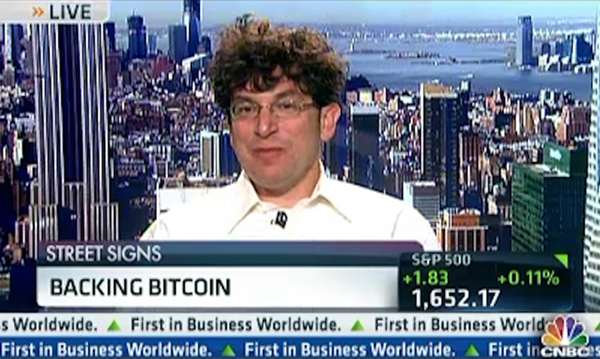
Since then, Bitcoin has exploded more than a thousand times over, enough to turn $5,000 into more than $5 million.
Next up, he called the rapid rise of artificial intelligence in 2016, when he published an article called ‘The Next Trillion Dollar Business’ and highlighted Nvidia’s chip-making expertise.
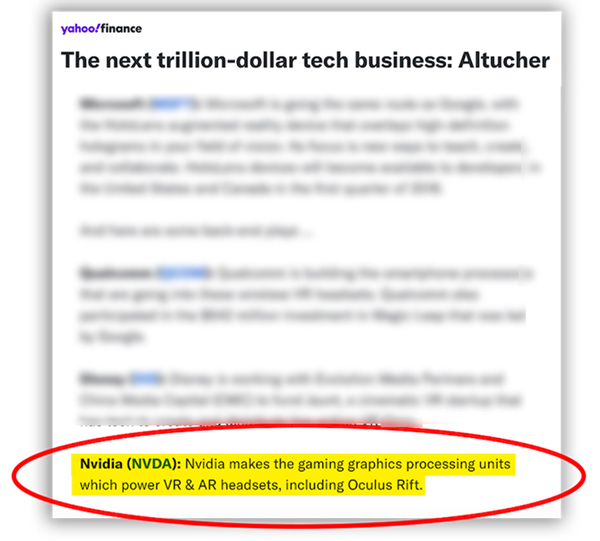
Now, as you probably know, Nvidia’s up pretty big since then, more than 20,000% in nine years…
And becoming the world’s first $4 trillion company.
Now, James is joining us to share important details of a new investment opportunity…
One that’s rapidly unfolding as we speak.
And as a bonus for viewers of today’s event, he’s also going to share one of his top stock recommendations.
You won’t want to miss this — so stick with us.
Now, James, thank you for being here today.

James Altucher
AI Expert and Former Hedge Fund Manager
JAMES ALTUCHER:
It is totally my pleasure, Aaron.
AARON:
Now, before the cameras started rolling, you said that what you’re calling Trump’s Project Oppenheimer could be the biggest wealth creation event of our lifetime…
Kicking off an economic boom we haven’t seen since World War II…
But yet, no one seems to be talking about it.
So, how can this be the case?
JAMES:
The answer is because you’re not going to find Project Oppenheimer in a congressional bill or an executive order.
It’s not a single piece of legislation.
Instead, Project
Oppenheimer is
something bigger.
And honestly, for me,
this is the most exciting
time to be an investor
that I’ve ever seen.
This is the convergence of two wealth-generating forces and a breakthrough in AI technology.
Together, this convergence is creating what could be the biggest money-making opportunity for everyday investors in decades…
In fact, one financial expert is calling this moment ‘the largest capital formation in history’.
AARON:
Okay, but pardon me for being sceptical…
The whole idea of Trump’s secret plan to save America seems a little far-fetched, maybe even too good to be true, don’t you think?
JAMES:
I understand.
And look, everybody, you’re smart to be sceptical.
President Trump is tapping into a proven blueprint for economic growth — something we haven’t seen since the end of World War II.
So, for the vast majority of people, they’ve never lived through anything like this.
But once you’ve seen the evidence that I’ve gathered, you’ll see how the wealth-building potential of this event is off the charts.
I mean, USA Today says what’s coming next will create the next generation of billionaires…
Shark Tank investor Mark Cuban, who I’ve done business with and he’s been on my podcast a bunch of times, he believes we can even see the world’s first trillionaire…

And Nvidia CEO Jensen Huang said that this technology is going to create more millionaires in the next five years than the Internet did in two decades…
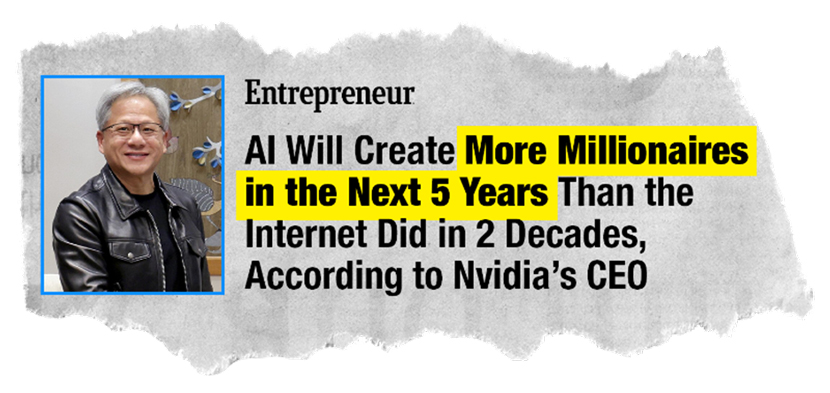
Now, think about that for a second.
The Internet created some of the biggest fortune-building opportunities for everyday folks.
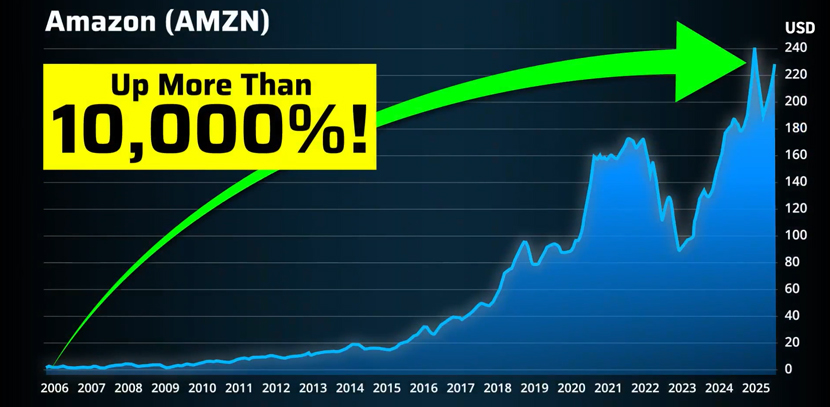
Amazon is up more than 10,000%…
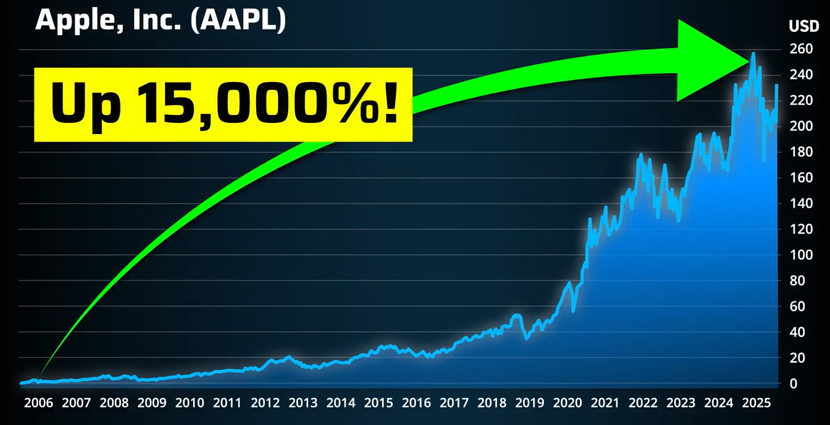
Apple is up over 15,000%…
And Netflix is up over 40,000%…
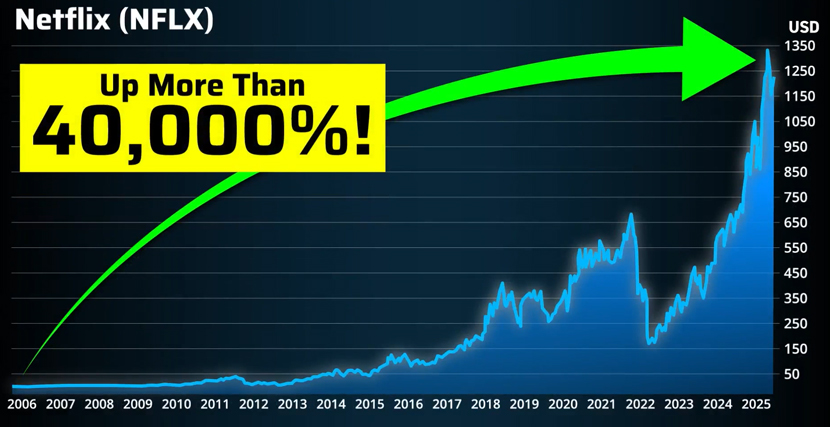
Enough to turn $10,000 into over $4 million.
Now, those are some of the strongest tech gains over the past 20 years.
And we all know the past does not guarantee the future.
But we could be about to witness some of the hottest tech breakthroughs — across several fast-moving sectors…
So, naturally, we’re talking about speculative investments here, and not every play will pan out favourably.
But in my view, let’s say you only pick just ONE winning stock — well, that could work out quite well for you as Project Oppenheimer continues to unfold…
AARON:
OK, now you’ve piqued my curiosity.
Millionaires, billionaires and trillionaires could be made all thanks to Project Oppenheimer.
But the thing is, most of the headlines I see focus on Trump’s tariff policies and trade wars.
So, you honestly believe there’s a massive financial story the media is just not telling us?
JAMES:
100%.
I mean, once you see the pieces behind Project Oppenheimer, you’ll have some much-needed clarity on Trump’s actions.
In fact, having this information will put you in a powerful position among your friends and family…
Simply because few people understand what is truly happening in America today.
I mean, it’s historical what’s unravelling right before our eyes, right now…
Trump is doing something no president has done in over 80 years.
And this is the first wealth-generating force.
He’s creating a partnership,
a ‘super alliance’ between
the White House and
Silicon Valley…
All so he can unleash a new breakthrough in AI technology.
Make no mistake, this technology will fundamentally reorganise the very fabric of society…
Because believe it or not, this has already happened once before.
Back in the 1940s, the US government undertook a top-secret project to build the world’s first atomic weapon.

And look, you probably know this as the Manhattan Project — an unprecedented collaboration between scientists, engineers, and the US government.
The project was a huge success — as the atomic bomb marked the end of World War II.
But in the years that followed, Washington D.C. figured it could use the same government-tech partnership that built the atomic bomb for peacetime innovations…
Innovations that would enrich the lives of everyday Americans and turn the United States into a world-class superpower.
So, that’s exactly what happened…
Over the coming years, the federal government worked hand-in-hand with the scientific community to build one breakthrough technology after another for the benefit of public good, like…
- The Interstate Highway System…

- Automation for industrial manufacturing, and, of course…

- Computing technology — which laid the foundations for the Internet and artificial intelligence…
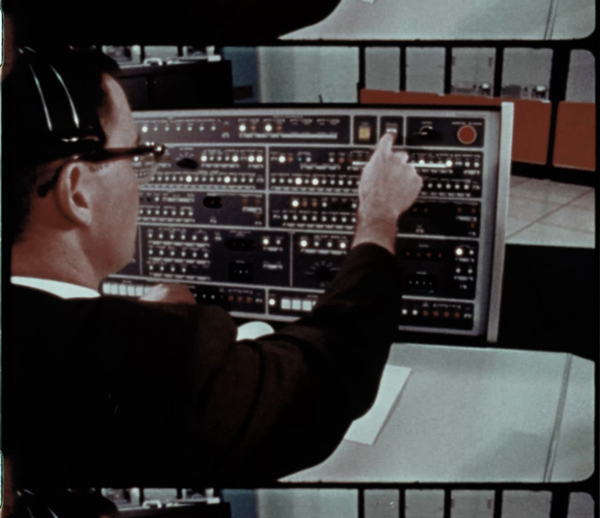
I mean, people don’t realise this — it was the Department of Defense that created the first versions of the Internet.
AARON:
So, modern-day America owes a debt to the government-tech partnership of the past — the partnership born out of the Manhattan Project?
JAMES:
Yes, exactly.
The Manhattan Project didn’t just create nuclear weapons.
It kicked off an innovation pipeline that powered America for 30 years.
- The first computers, like ENIAC, moved from military labs to commercial use…
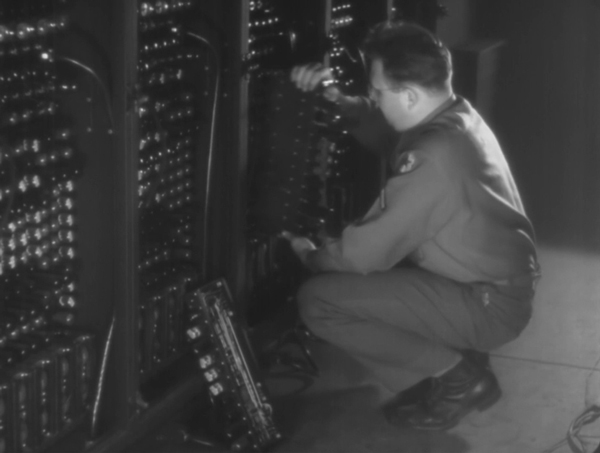
- Transistors revolutionised electronics…

- Manufacturing productivity went through the roof, thanks to automation technologies developed during the war…

And when you add it all up, this tech boom kicked off the most explosive period of economic growth in American history.
And over the next 30 years, the size of the American economy grew seven times bigger.
An estimated tens of millions of jobs were created.
The number of millionaires multiplied from 13,000 to 250,000 — almost 20 times over.
Historians recognise this
era as the largest
period
of wealth creation in
human history.
They called it the ‘Golden
Age of Capitalism’.
And now, President Trump is tapping into that same blueprint from 80 years ago with Project Oppenheimer…
Which I named after the scientific director of the Manhattan Project.
I predict we’re going to see a second Golden Age of Capitalism because of all this happening right now.
AARON:
James, that’s a fascinating prediction.
And it’s a great history lesson, too.
But today, most everyday folks are struggling.
I mean, sure, when it comes to technology, everyone and their mother seems to have an iPhone.
But when it comes to real wealth, it seems like many folks, they’re falling behind.
So, what happened?
Why hasn’t technology made us richer since this golden era?
JAMES:
Look, that’s, you know, that’s a great observation and it’s a complicated question.
But one key factor hardly anyone talks about…
Over the past 20 years, the government-tech alliance that made America rich — it’s fallen apart.
Big Tech built enormous wealth…
But that wealth stayed trapped inside Silicon Valley.
Tech billionaires don’t need to solve America’s problems to get rich.
They’re already sitting on trillions of dollars.
AARON:
That’s not surprising.
I mean, the tech elite live in a completely different world than regular Americans.
JAMES:
I mean, just in the past decade, tech billionaire wealth has exploded — tripling from $800 billion to $2.4 trillion.
So, get this, one out of every three Nvidia employees is worth more than $20 million.
I mean, can you imagine one out of three employees worth more than $20 million?
That’s 100 times wealthier than the average American family.
So, while CNBC caused the AI boom, the largest wealth creation spree in recent history…

…the average person has been left out.
That is… until now.
After 80 years, President Trump is dusting off an age-old blueprint for massive growth.
He’s bringing the wealth-creating power of Silicon Valley back into the fold.
And he’s using Big Tech to enrich all of America.
Which is why I believe
what’s coming
next will
be like a ‘Golden Age’ 2.0.
Now, I don’t have a crystal ball, so I can’t predict the future — but here’s what makes me so confident…
Right now, Silicon Valley needs Trump, and Trump needs Silicon Valley.
Tech companies are racing to build the next generation of AI.
However, they can’t do it without Trump’s help.
AARON:
Why is that?
JAMES:
You remember the inauguration?
Sitting behind Trump were all the tech billionaires — Jeff Bezos, Mark Zuckerberg, the CEO of Microsoft…
All the Big Tech guys.
Because building AI requires huge amounts of power and equipment, more than most people realise.
It takes years to get everything set up.
Take AI data centres.
It takes years to get these data centres connected to the grid.
This is a massive bottleneck.
Projects sometimes take five years for approval.
Think about that, Aaron.
Five years just to plug in a data centre.
AARON:
So, red tape is blocking Big Tech.
JAMES:
Yes, but this is the thing…
Not for long.
Remember, Trump, he’s not a career politician — he’s a real estate developer from New York.
He’s a great fit for the job because he knows how to slash through red tape.
That was what his real job was… cutting red tape.
Point being, Big Tech needs Trump to remove regulations.
AARON:
But why does Trump need Big Tech?
JAMES:
Simple.
Trump needs to beat China.
America and China are racing to build the best computer technology — and America has to win.
Treasury Secretary Scott Bessent put it this way:
‘The United States is in a race with China over the next generation of […] artificial intelligence. This is the kind of situation where if we lose, there may be nothing left to fight over.’
That’s what Bessent is saying.
Trump knows what’s at stake.
If America loses this race,
China becomes
the world’s
most powerful country.
So, like it or not, Trump needs Microsoft… he needs Nvidia… OpenAI… and the rest of the tech industry to beat China.
Trump’s recruited the world’s most successful tech leaders to spearhead this transformation.
Specifically, Trump has surrounded himself with the so-called ‘PayPal Mafia’ — a trio of tech billionaires who all worked together at PayPal 20 years ago.

- Elon Musk…
- David Sacks — who’s now Trump’s crypto and AI czar…
- And Peter Thiel…
And of course, most people know Elon Musk is the richest man in the world.
But few understand his impact on American AI policy.
- At DOGE, he deployed AI to review thousands of government contracts and cut millions in wasteful spending.
- His startup, xAI, secured a $200 million contract from the Department of Defense.
- And today, the Pentagon uses AI models while his ‘Grok for Government’ program puts his AI in the hands of every federal agency.
Yes, Musk and Trump have had their little squabbles, but recently they’ve been seen together like shaking hands, hugging — it’s all good now.
Musk stands at the centre of federal AI policy — he wields enormous influence.
Then there’s David Sacks — again, Trump’s AI and crypto czar.
Sacks is a multimillionaire venture capitalist who’s actually shaping policy now for crypto and AI.
He advocates to cut 10 times more regulations than new ones put in place.
And lastly, there’s billionaire Peter Thiel…
Peter Thiel may be one of the most powerful people behind Trump’s second term.
Thiel is arguably the best venture capitalist of all time.
He was Facebook’s first investor — where he turned $500,000 into $5 billion.
He was also an early investor in Airbnb, LinkedIn, Spotify…
He co-founded Palantir, was an early investor in SpaceX, he’s even involved in NeuraLink …
AARON:
It sounds like Thiel is behind some of today’s biggest tech companies.
That’s odd because I don’t see his name in the headlines a lot.
JAMES:
That’s a great point.
Thiel has no formal role in the White House.
But since he’s connected to so many tech companies, his vast network spans all of Silicon Valley.
And Trump has recruited tons of people from Thiel’s network.
AARON:
Like who?
JAMES:
Well, for starters, Vice President J.D. Vance used to work at Thiel’s company, Mithril Capital.
And Thiel introduced Vance to Trump.
But that’s just the tip of the iceberg.
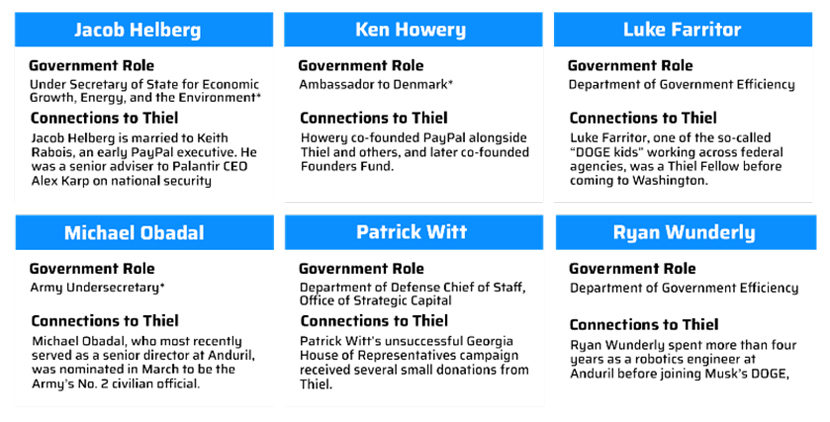
Trump’s whole administration is filled with smart people from Thiel’s network.
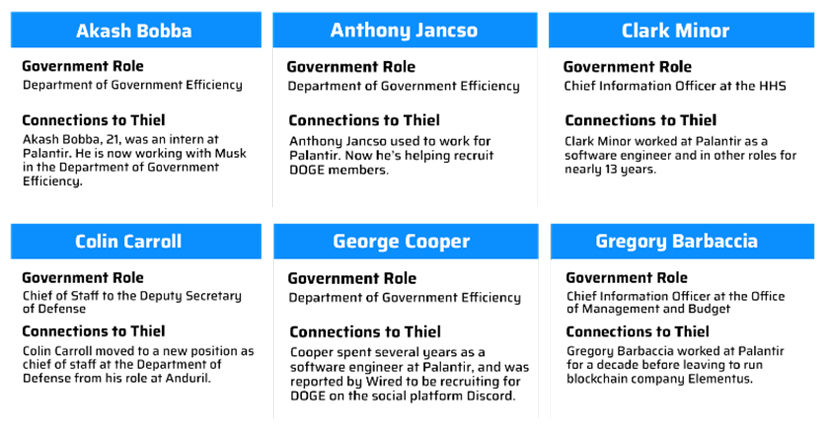
- For example, Michael Kratsios, who used to run Thiel’s Founders Fund, is the White House Director of Science and Technology policy…
- Jim O’Neill, former CEO of Thiel’s Foundation, is now the Deputy Secretary of Health and Human Services…
- Trae Stephens, who worked for Thiel’s Founders Fund, is on the Defense Department transition team…
We’ve mapped out over 10 of Thiel’s connections in the White House, which you can see right here:
So, if Trump wants to beat China in the AI race, he needs to move fast.
And putting Silicon Valley in the White House will help him do just that.
AARON:
Now, I know you’re too humble to bring this up yourself, James, but you have connections to Peter Thiel too.
You invested with him in a startup called Buddy Media, which was hugely successful and later bought out by Salesforce for over $600 million.
You and Thiel also discussed the future of technology on your podcast.
So, it’s safe to say you’re an insider of Thiel’s network too.
JAMES:
I mean, I’m lucky to know Peter personally — and I’ve seen how he thinks about technology and investing.
And one key to his success, when he backs an idea, he doesn’t just throw money at it.
He builds an entire network around it.
That’s what makes his startups work.
He connects the right people to the right strategies.
And now that network has converged on Trump, is powering Trump.
And I believe we’ll see similar success with Project Oppenheimer.
AARON:
So, tech billionaires are helping Trump roll out Project Oppenheimer, creating a huge wave of opportunities — a massive wealth generating force, as you put it…
JAMES:
Remember how I said
Trump was rolling
out
the red carpet for
Silicon Valley?
Well, check this out…
Trump signed more executive orders in his first 100 days than any president in history.

It was record-breaking.
And in that giant pile of executive orders?
Deregulation.
Trump slashed through government red tape like a chainsaw.
A quick example: Trump released a 22-page AI action plan…

Guess what the very first item on that action plan was?
It says ‘Remove Red Tape and Onerous Regulation’.

- He’s also fast-tracked permits for nuclear power…
- He declared a ‘national energy emergency’…
- And approved new mining projects for critical minerals…
All to fuel this massive AI build-out.
AARON:
So, what does that mean for investors?
JAMES:
It means don’t fight the government.
Don’t fight city hall.
With government red tape out of the way, certain well-positioned tech firms could do extremely well.
For example — just within the past five years — some smart investors have already had the chance to benefit from other breakthrough companies, including…
Vistra Energy, a power company that supplies electricity to AI data centres, is up more than 900%…

And Palantir, an AI software company that works with the US military, is up more than 1,700%…

AARON:
Okay, I can see how this Trump tech alliance is starting to shape up.
Silicon Valley’s in the White House.
Trump is clearing regulations.
But what about actual projects?
What are they building right now?
JAMES:
There are a few clues.
I mean, did you see when Nvidia CEO Jensen Huang came to the White House?
He announced Nvidia would build $500 billion worth of AI superchips in Texas.
And Fox News said the
investment was
‘aimed
at securing American
tech dominance.’
Then Trump unveiled a $92 billion AI infrastructure package.
This package includes new data centres, power grid updates, and AI personnel training programs — all to keep America ahead of China.
But here’s the big one…
Trump announced a $500 billion Stargate project — a huge partnership between Silicon Valley’s biggest players like OpenAI, Microsoft, and Nvidia.
Stargate is Trump’s plan to build 20 massive AI data centres nationwide.
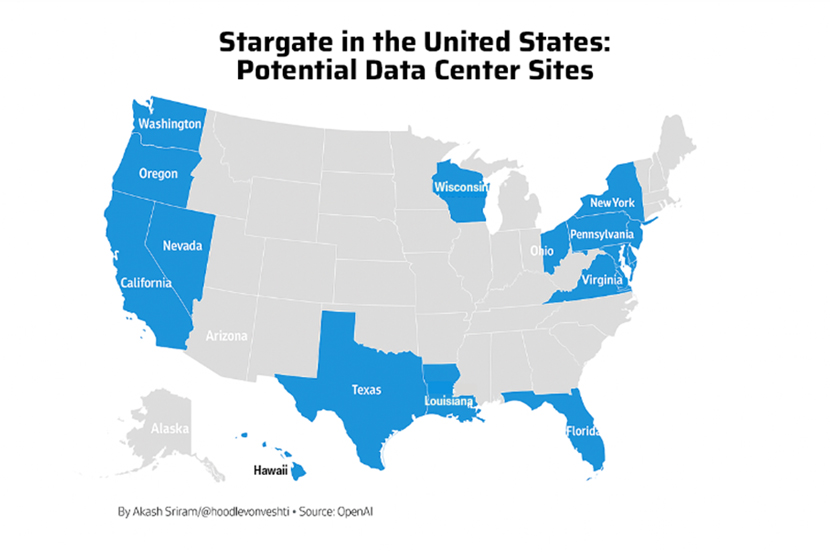
Each one is going to be 500,000 square feet.
And they’ll be filled with tens of thousands, even hundreds of thousands of Nvidia GPUs — the most powerful AI chip in the world.
This is the biggest AI
infrastructure
project
on the planet.
I’ve never seen anything like this.
And all these efforts point towards one goal…
Trump is building the next generation of AI here in America.
He’s going to flood the world with American AI.
AARON:
But what about China?
China’s not going to sit around while America becomes the world’s AI superpower.
So, certainly they’re building their own AI supply chain too, right?
JAMES:
Look, that’s a smart question.
And earlier I said Project Oppenheimer is the convergence of two wealth generating forces.
The first is here at home, Trump bringing Silicon Valley into the White House.
The second force is abroad, the trade war.
The media wants you to
believe Trump’s trade war
against China is about
sneakers and iPhones.
That is totally wrong.
You have to look, as an investor, you always have to look past the headlines and see the big picture.
Trump is using the trade war to win the tech war.
Trump wrote letters to Japan, South Korea, Taiwan, and threatened to hit them with a trans-shipment tariff.
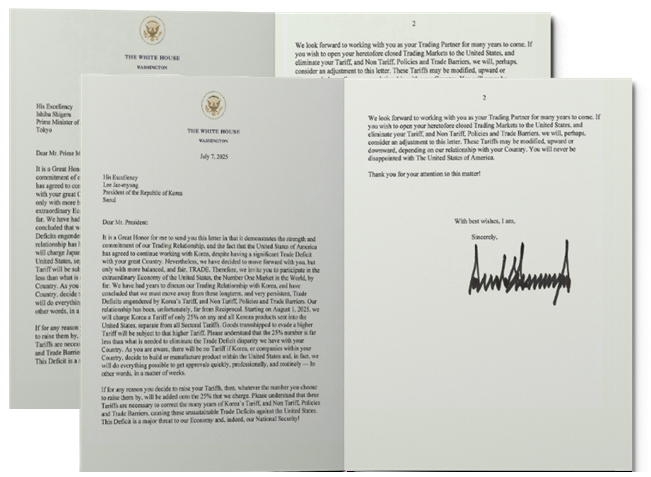
Simply put, any product that goes through China gets slapped with a huge tariff.
AARON:
But those are America’s closest allies in Asia, so why would Trump threaten them?
JAMES:
Simple.
These countries make advanced computer chips that are essential for the next-gen AI.
And Trump wants them to cut out China completely.
AARON:
So, he’s using tariffs to block out China from the tech race?
JAMES:
Exactly.
Look, China is neck-and-neck with us on AI.
This is not just a theoretical problem.
This is a problem right now.
So, Trump is building a
‘tariff wall’ around China.
He’s forcing US allies to pick America’s side.
And he’s making sure the world’s AI supply chain runs through America and only America.
AARON:
At home, Trump is working with Big Tech to build the next generation of AI.
Overseas, he’s blocking China from winning the tech race.
Now, you said Project Oppenheimer is the convergence of two wealth generating forces — plus a breakthrough in AI technology.
Now, I want to dive into this AI breakthrough, but before we do that, it’s worth mentioning that you personally have extensive experience in this field.
You’re actually an AI expert yourself — you’ve worked with AI your whole life.
JAMES:
Yes, that’s absolutely right.
I mean, I got my undergraduate degree in computer science from Cornell University, and I would say I was obsessed.
When I was 20, I had a grant from the National Science Foundation to work on AI programs.
When I was 22 years old, I published a thesis on machine learning, which is, of course, a core subset of AI.
I presented that research at an AI conference in Kaiserslautern in Germany — where I was the youngest person among dozens of AI professors who were presenting there.
I went on to grad school at Carnegie Mellon University, the university where AI was practically invented.
There, I helped work on Deep Thought, one of the first AI supercomputers ever built.
My work caught the attention of IBM, where they even offered me a job to work on the descendant of Deep Thought — which was Deep Blue, the AI that beat world chess champion and my friend, Garry Kasparov.
After that, I launched one of Wall Street’s first AI-powered hedge funds.
I programmed my own early AI-powered investing tool using algorithms I developed.
I grew the fund to $55 million and even wrote a book about it called Trade Like a Hedge Fund.
I also became a spokesperson for Fidelity’s trading platform, Wealth Lab — where I travelled across the country and gave speeches on AI trading systems.
AARON:
Now, given all that experience and your deep background in AI, from helping build Deep Blue to running an AI-powered hedge fund…
It’s obvious that you understand this technology well.
So, what is the next generation of artificial intelligence?
JAMES:
I mean, the best way to answer your question starts with this map.
This map shows America’s telecom network, and you can see all the transmission lines, fibre optic cables, and now data centres:
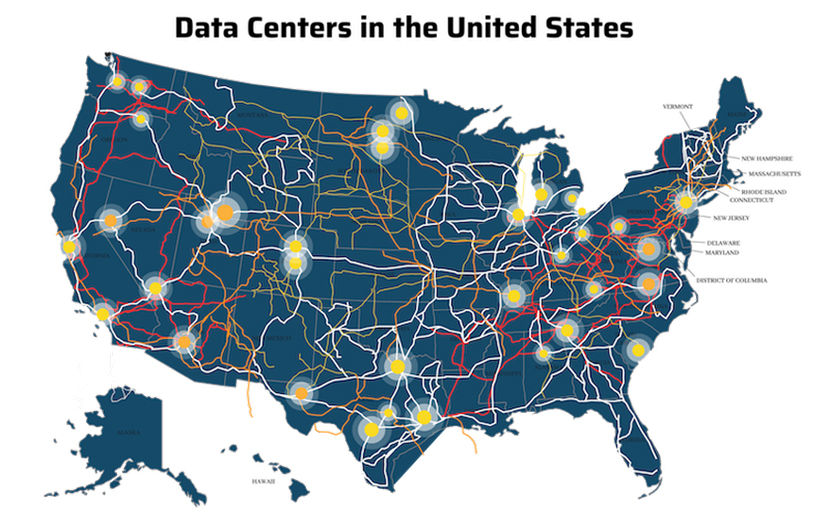
And as you know, Trump is building 20 super AI data centres across America.
These Project Oppenheimer data centres are the foundation of an Internet of artificial intelligence.
And by the way, I am an advisor to several AI companies right now, including a company that builds data centres.
So, I am very familiar with what’s going on day to day in the AI space.
But this is basically the
next
generation of
the Internet itself.
Here’s how to think about the Internet today.
It’s all person-to-person communication.
I send you an email, you send me a message on social media, it’s me talking directly to you.
But the Internet of AI works completely different.
Instead of people talking to people, it’s AI agent to AI agent.
AARON:
Hold on for one second.
I’ve heard this term, but what the heck is an AI agent?
JAMES:
That’s a really good question because I think the term is used loosely in a lot of different situations.
But you know, ChatGPT, right?
With ChatGPT, I have to ask it questions.
I type in a prompt like, ‘hey, solve this math problem for me’ or ‘write me a poem’.
I’m always controlling it.
But AI agents are different.
They work without me telling them what to do.
I don’t have to prompt it or ask it to do anything.
And that’s because agents can act on their own.
They can recognise their surroundings, learn from what they see, and they can change their actions based on real world feedback.
It’s like having AI that thinks and acts automatically.
AARON:
So, agent technology is a new form of artificial intelligence.
It’s automatic and it doesn’t require any human input.
JAMES:
Yes, exactly.
It’s automatic AI.
It’s totally different from
ChatGPT, which
just waits
for you to tell it what to do.
AARON:
That sounds like science fiction.
JAMES:
It does, but I assure you that it’s not.
In fact, the technology is already here.
For viewers, agents will give you superpowers in your daily life.
Your personal agent will save you tons of time by handling all the boring stuff you hate doing.
The agent in your phone will book your travel plans, pay your taxes, schedule your doctor’s appointments…
AARON:
So, these AI agents are like personal assistants?
JAMES:
And that’s one way to look at it.
Experts call them digital labour or digital employees.
And that’s because agents don’t need to eat or sleep — they work 24/7.
They don’t need vacation time.
They can handle an unlimited amount of work for you.
But the fact is, having a personal agent barely scratches the surface of what this technology can do and will do.
After all, Project Oppenheimer is building what I’m calling ‘the Internet of AI’.
So, when your AI agent schedules a doctor’s appointment, it won’t call the front desk.
It will talk directly to the doctor’s AI agent.
AARON:
So, two agents talk to one another?
JAMES:
Exactly.
Agent to agent communication with no humans involved.
And this is what’s amazing…
We are seeing a once in a lifetime shift from a human-to-human economy to an agent-to-agent economy…
Which is why Nvidia CEO Jensen Huang says AI agents are a ‘multitrillion-dollar opportunity’.

In almost every industry now, agents will talk to each other to complete billions of tasks per day.
And believe it or not, this massive tech shift is already happening.
Big Tech is deploying hundreds of thousands of agents as we speak.
Fortune magazine says AI agents are here…

Microsoft, Google, and Meta are already using AI agents to review their software code.
- Mark Zuckerberg said within a year, half the code at Meta will be written by agents and will only grow from there…
- Andy Jassy, CEO of Amazon, he wrote a memo saying there will be ‘billions of these agents across every company and in every imaginable field’…
- And Microsoft expects 1.3 billion AI agents to be working in the next couple of years…
AARON:
So, you’re saying a flood of agents, literally billions of digital employees, are entering the workforce now.
It’s like a brand-new labour market.
JAMES:
Exactly.
And here’s what many people don’t realise.
The next generation of AI won’t stay trapped inside computers.
Agents can, let’s say, ‘break out’ into the real world.
Project Oppenheimer has laid the foundation for physical industries to plug into the Internet of AI.
Many companies are already using agent technology:
- Everything from freight shipping…
- To tax planning…
- To writing software…
- To handling legal documents…
- To diagnosing diseases…
- To creating medicines…
All this is going to be automated.
And believe it or not, it’s going to kick off a jobs explosion — creating new types of work we can’t even imagine today.
And it’ll also create a
golden opportunity for
smart investors to potentially build
significant wealth.
Any part of your work that involves repetitive paperwork will be automated.
But the disruption to the physical world will be even bigger.
In transportation, for example, AI agents are already being used in self-driving cars.
Just look at Waymo, the world leader in robotaxi rides.
This company runs 250,000 robotaxi trips every week.
AARON:
And by robotaxi, you mean no human drivers, right?
JAMES:
Yes, but Waymo’s robotaxis aren’t just cars with computers.
They’re agents on wheels.
Agents are the ones driving the car.
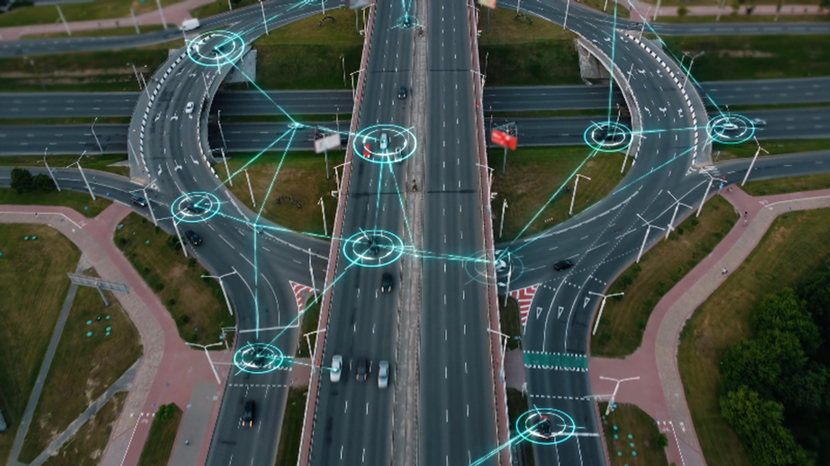
I just had the creator of Waymo on my podcast a week ago.
Each car uses agent technology to see everything around it.
It processes thousands of data points per second.
And it makes split-second decisions about when to turn, when to break, and when to change lanes.
But the real breakthrough isn’t what one car can do.
It’s what happens when thousands of cars use agent technology to talk to one another.
This is the kind of coordinated intelligence that Project Oppenheimer is bringing to every single industry.
Picture this…
A car hits a patch of black ice in front of a four-way intersection.
Instantly, every car in the area is alerted.
They automatically pump the brakes, slow down, and avoid a multi-car collision, potentially saving human lives.
AARON:
That’s incredible.
So, they’re sharing information with each other instantly?
JAMES:
Yes, they’re having conversations like at light speed every moment.
And in essence, you have a fleet of cars that work together like a swarm of bees.
This kind of coordination could virtually eliminate car accidents.
And when you remove human error, transportation becomes incredibly efficient.
That’s why ARK Invest predicts the robotaxi industry could hit $34 trillion by 2030, which is less than five years away.
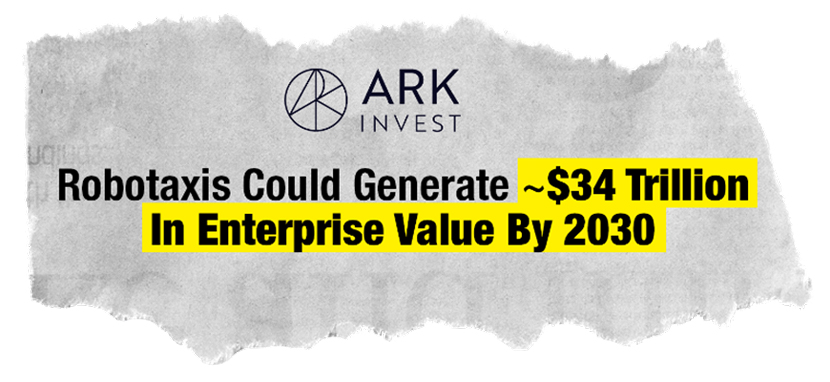
And as you can see, agent technology is powering a fundamental transformation of how people and goods move around the world.
This is just one example.
These agents in every industry are talking to each other.
So, speaking of goods…
Shipping and logistics will see huge breakthroughs as well, thanks to Project Oppenheimer.
Take Amazon.
Amazon just hit a major milestone: they now have over one million robots in their warehouses.
AARON:
One million robots?
I didn’t know that.
JAMES:
Yeah, and here’s what many analysts don’t know either.
Amazon’s robot army is getting a major upgrade.
Amazon has a secret lab in San Francisco where researchers are rolling out agent technology, and soon they’ll wrap up agents and physical robots.
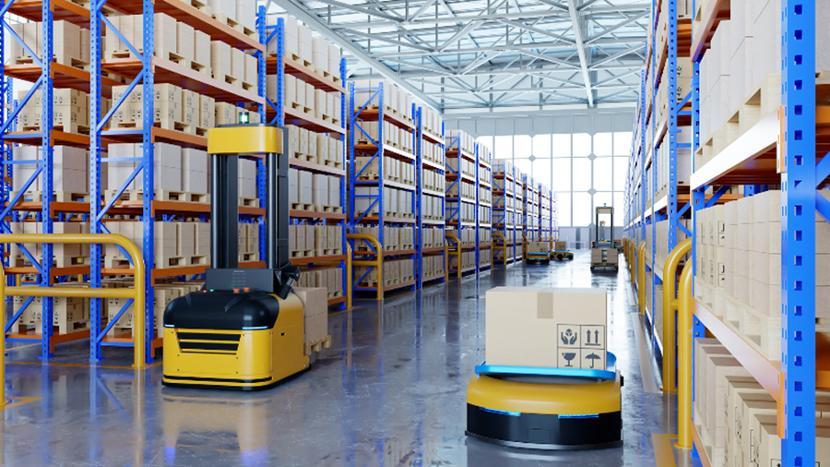
AARON:
So, what’s the difference between what they have now and these new agent-powered robots?
JAMES:
It’s massive.
The current fleet of robots are like those remote-controlled cars I was talking about earlier.
They only do pre-programmed tasks.
That’s the current generation of robots.
But agent-powered robots are dynamic.
These robots will be able to recognise their surroundings and make decisions on their own.
And Amazon isn’t the only company making this shift.
There are thousands of companies working on this technology, including one name you’ve probably heard of.
Elon Musk is putting agent technology into Optimus, his humanoid robot.

That’s part of the reason he predicts Tesla will reach a $25 trillion market cap and will eventually have a billion robots worldwide.
AARON:
A billion robots?
That’s a wild prediction.
JAMES:
And I know it sounds crazy, but the real breakthrough isn’t the physical hardware.
Again, it’s how agent-powered robots learn together.
When one robot figures out something new, like reading a construction layout, it instantly shares that knowledge with every other robot in the network.
This is Project Oppenheimer at work, creating an Internet of AI that connects millions of machines.
AARON:
So, one robot learns something in New York City — a robot in Los Angeles instantly knows it too?
JAMES:
Exactly.
And that’s the collective intelligence we’re talking about.
AI agents can handle the same manual work humans do, and they can learn new tasks in a fraction of the time.
AARON:
I’ve got to be honest — that’s both…it’s impressive and it’s also frightening.
JAMES:
I can understand it feels a little bit overwhelming, but the scope of this is wider than most people realise…
Because it’s not just factory robots.
Project Oppenheimer is bringing agent technology to every physical industry in America.
Agents are already revolutionising agriculture.
John Deere, for example, has fully autonomous tractors working in fields across the country.

Each tractor uses 16 cameras, high-speed processors, and a neural network that makes a decision every hundred milliseconds.
They can spot obstacles, drive around them, and adjust their work patterns, all without a farmer touching the steering wheel.
Customers can now set autonomous tractors to work around the clock.
But John Deere’s CFO, Josh Jepsen, he put it this way:
‘What we found is by bringing autonomy to tractors, customers can be at home, they can be with their family, they can be at high school football games, or they can do other, more value-added jobs on the farm.’
When farms can operate 24/7 with perfect precision, they produce way more food at a much lower cost.
And that means cheaper groceries for you and your family.
But nowhere will Project Oppenheimer have a bigger impact than on America’s military.
For the first time in 80 years, the US military is completely changing how it fights wars.
And Trump knows the stakes.
If China beats us in the AI arms race, then we lose our position as the world’s dominant military forever.
So, this is why Project Oppenheimer is so vital and why so much money is being spent.
It’s sparking the biggest shift in weapon systems since the atomic bomb.
Picture this — instead of a $1 billion fighter jet with a human pilot…
Imagine a thousand small drones, each powered by AI agents, that can think, adapt, and coordinate attacks with each other.

And again, this doesn’t matter where you stand politically or how you feel about these issues.
This is just simply happening.
This technology is
practically here.
By 2026, each of the Army’s 10 combat divisions will be equipped with about a thousand AI-powered drones.
And the Pentagon has rolled out a new program called Replicator, which is racing to deploy swarms of AI-powered weapons.
And I foresee a world where the whole military, from tanks to submarines, will be powered by agent technology.
And I know that sounds scary, but it will dramatically reduce the amount of US soldiers on the battlefield.
And of course, Project Oppenheimer is making sure America leads this change.
And as you can see, every aspect of your life is about to change.
Your morning coffee, for instance…
Sounds ridiculous, but AI agents will manage the entire supply chain, from the farm where beans are grown to the trucks that carry them.
Or let’s say your monthly bills…
Your personal agent will pay everything on time — they’ll move your money around to find you better rates on your savings account.
Late charges and overdraft fees will be a thing of the past.
Your prescription drugs…
AI agents are incredible researchers — they can test millions of drug combinations in weeks instead of years…
Slashing the time by a decade and making your drugs 90% cheaper.
By the way, this is why for the first time ever, the Nobel Prize in Chemistry was awarded to a computer scientist instead of a chemist — because of these types of AI developments in drug development.
What about starting your own business…
Maybe you thought you didn’t have the money — agents will cut the cost of bringing your business idea to life.
Agents can write you a business plan, create a logo, write your advertisements, manage your marketing campaign, and even take customer calls.
By the way, it could also write the code…
We’re going to see thousands of new small businesses emerge, as agent technology can turn anyone into a super entrepreneur.
Agents will even change the way you deal with the government…
No annoying pre-recorded automated menus or listening to elevator music for 30 minutes on hold.
You’ll be able to call anytime, 24/7.
Things will run — by the way, your agents will call — things will run much smoother.
Billions of digital workers are about to enter the workforce…
Some agents will so-called live inside computers.
Others will live inside physical robots.
From the smallest family restaurant to the largest military contractor, Project Oppenheimer is going to rewire — literally rewire — the American economy from the ground floor up.
AARON:
But if AI is doing brain surgery and mowing lawns, that sounds like a recipe for mass unemployment…
JAMES:
It’s such a good question, Aaron, and I get why people worry about this.
It’s totally understandable.
But here’s what history tells us.
Every time a new technology comes along, people do panic about job losses…
And every single time, the opposite happens.
New technology does not eliminate work.
It creates more work and even creates entirely new kinds of work that didn’t exist before.
When the Internet first was getting popular in the 90s, nobody could have predicted Uber, for instance, which has created tens of thousands of jobs for drivers.
Henry Ford’s assembly line is perfect.
Before Ford, building one car took over 12 hours of backbreaking work.
But his assembly line cut that down to just 93 minutes, a reduction of 90%.
Everyone said it would destroy jobs because you won’t need as many people working around the clock to build one car.
But instead, production exploded.

The assembly line actually made producing cars cheaper, which sent demand soaring because everyday Americans could now afford a car.
So, Ford went from making about 10,000 cars to more than 2 million cars a year, a 200-fold increase.
And to keep up with demand, he had to hire more workers, not fewer.
Another great example, ATMs in the 1970s.
Everyone thought they would eliminate the hundreds of thousands of bank tellers.
Instead, the number of tellers doubled from 300,000 to 600,000 over 40 years.
AARON:
Why is that?
JAMES:
Because ATMs made running bank branches cheaper.
So, banks opened up more locations and more branches meant more jobs.
Plus, tellers moved from counting money to helping customers with more complex financial decisions.
The work got better, not scarcer.
AARON:
But isn’t AI different this time?
We’re talking about machines that can think, they can analyse, they can even create art…
That seems like a bigger threat to actual human work, right?
JAMES:
Yeah, I hear that concern a lot.
I hear the ‘this time it’s different’ argument.
And it feels different because AI seems so much more advanced than past technologies.
But the numbers simply tell a different story.
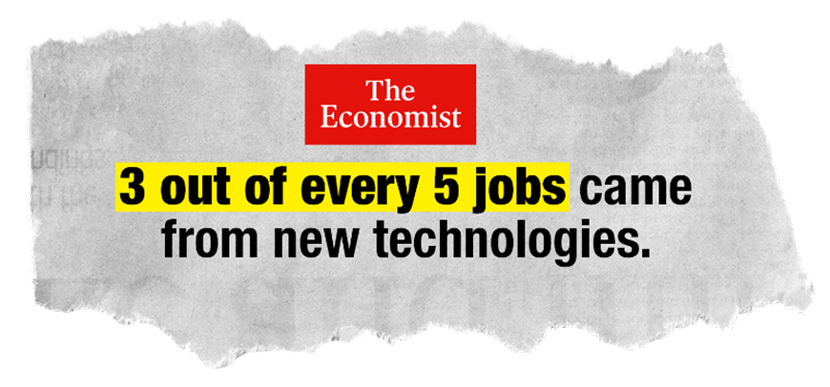
Economists discovered that, over the past 80 years, three out of every five jobs come from new technologies.
There’s a good chance you or someone you know is doing something your grandparents never heard of…
Graphic designer, software developer, cybersecurity specialist — none of these jobs existed 50 years ago.
They were all created by new technologies.
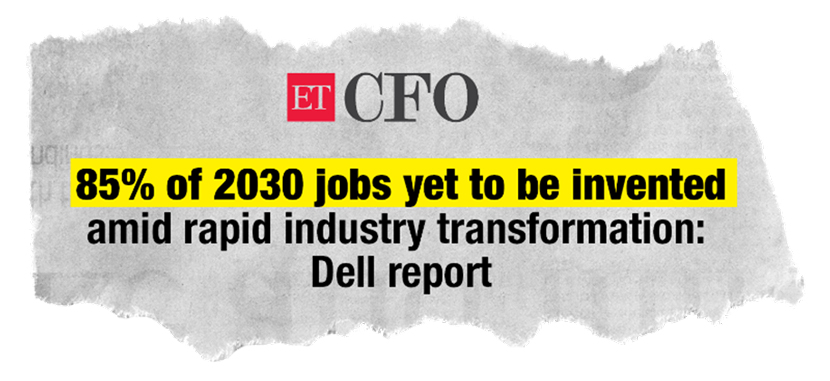
A report from Dell predicts eight out of 10 jobs for 2030 haven’t even been invented yet.
We’re notoriously bad at predicting jobs that don’t exist yet.
When everybody’s doom and gloom, and then when all these new jobs are magically created, everyone forgets that they were doom and gloom.
So, when Project Oppenheimer reshapes the economy, it’s going to spawn brand new jobs.
I don’t know, autonomous vehicle coordinators, agent workflow specialists, robotics operators.
Again, jobs we don’t even have names for yet.
AARON:
Now, do you think this AI automation boom will match the automation jobs boom of World War II time?
JAMES:
Yes.
When AI takes over the boring tasks, it frees people up to do what people do best: think creatively.
The new jobs that emerge will be more rewarding than the work that gets automated away.
Most people simply can’t imagine the scale of new opportunities that could emerge over the coming months and years…
That’s why I want to
share one of my top
stocks
with our viewers
today, just for watching.
I urge everyone to move fast on this, but this is why, Aaron, I wanted to put this out as soon as possible.
The largest transfer of wealth is unfolding right now.
Big Tech is going to spend $7 trillion on AI by 2030.
This year alone, four tech giants are investing $320 billion.
- Microsoft spending $80 billion…
- Google spending up to $75 billion…
- Meta is going as high as $72 billion — just this year, they’re going to spend hundreds of billions in the next few years…
- Amazon plans to spend $100 billion this year…
These aren’t slow and steady investments.
The money is pouring in right now.
That’s why Jensen Huang, again, the Nvidia CEO, he predicts that AI will create more millionaires in the next five years than the Internet did in two decades.
I’ll give you an example…
The company that grew to a billion revenues in the fastest amount of time wasn’t a 20-year-old or 30-year-old Internet company.
It was an AI company.
It happened just in the past month or so.
Cursor, which does the role of programmers and it writes code based on AI…
It got to a billion dollars in revenue in a faster amount of time than any other company in history.
So, that’s why timing matters so much with this opportunity.
AARON:
Now, for viewers who want to take advantage of this situation right now, what’s the best way to get in position?
JAMES:
In the beginning of this presentation, I promised to share the name and ticker symbol of my top investment idea.
So, let’s just start there.
The name of the company is Taiwan Semiconductor — ticker symbol TSM.
Taiwan Semi is the largest chipmaker in the world, and almost every tech giant needs Taiwan Semi to manufacture their chips.
Almost all the chips in the world are made by Taiwan Semiconductor, and that includes Nvidia, Apple, Tesla, and others.
Taiwan Semi controls 90% of the advanced chip market.
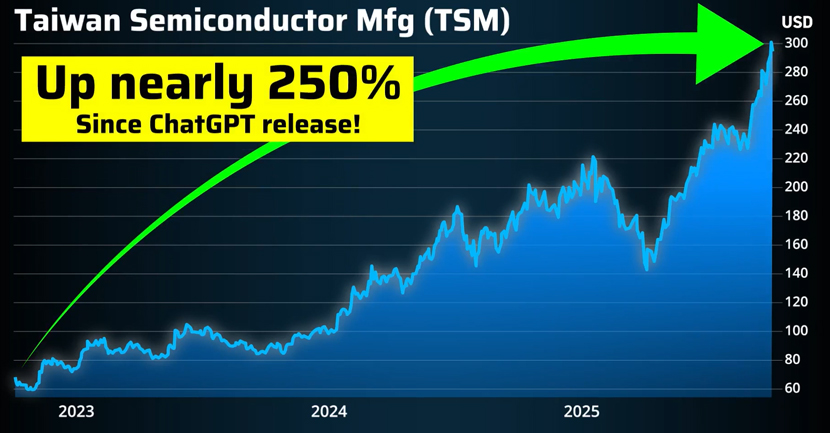
They basically have a monopoly, and that’s why it’s up nearly 250% since ChatGPT was released.
But you might be wondering, why is Taiwan Semi a top play for Project Oppenheimer?
Well, as you know, one way Trump is moving wealth into America is by getting US allies to build AI manufacturing here.
And that’s why Taiwan Semi has started making their advanced chips in Phoenix, Arizona.
They should rename themselves Phoenix Semi.
Because this means as Project Oppenheimer creates huge demand for the next generation of AI chips…
Taiwan Semi is perfectly positioned — literally positioned right here in America — perfectly positioned to benefit…
Especially since they’re making chips in America, for America.
AARON:
So, Taiwan Semi is the ultimate pick and shovel.
Nvidia, Apple, Tesla, they all rely on TSM to make their chips.
So, with that said, what do you think about those big companies, the Big Tech giants like Nvidia and Microsoft?
Do you think they’ll do well, too?
JAMES:
Yeah, of course.
But as you know, those companies are huge already.
The biggest gains have already been made.
Nvidia blew past a $4 trillion market cap — $4 trillion!
It’s worth more than all the world’s military spending combined.
So, that means Nvidia would have to grow to $8 trillion just to double your money.
These under-the-radar names that I’ve been researching — these are companies quietly securing the most critical pieces of America’s AI infrastructure.
You always want to be in infrastructure.
You always want to be in the picks and shovels.
So, that’s why I put all my research into a report, titled…
‘The Project Oppenheimer Playbook: 7 Growth Stocks Powering American AI’.
- First, you’ll get ‘The AI Power Play’…
This tiny stock, and it is tiny, is solving AI’s biggest problem, which as I mentioned earlier is power.
Remember, those 11,000 projects stuck waiting for a power grid connection?
This company found a way around the bottleneck…
They’re plugging Big Tech in right now.
And that’s why it’s already exploded 300% this year.
But again, that’s just the beginning.
Don’t forget, if people say, ‘oh, 300%, it’s up’…
Just imagine if you’d sold Amazon, or Netflix, or Nvidia for a 300% gain…
You’d be kicking yourself today.
- So, you’ll also get another company that I write about that I call, ‘The AI Super Connector’…
Big Tech needs this company’s patent-protected technology, something I call quantum transmission, to move data coast to coast at lightning-fast speeds.
- Another one, you’ll also get the ‘$9 Trillion Agent Takeover’…
This stock is targeting a $9 trillion disruption in the financial services sector by using agent technology.
They’re scaling fast already with millions of customers, and they’re cash flow positive.
So, those three companies, though, that’s just the start.
I’ve included the name, ticker symbol, buy-up-to price of those companies, along with four others, in this report.
You’ll also get a full breakdown of what each of these companies do — including all the risks involved…
This way, you can make an informed decision about whether or not you want to invest.
It’s all in my special report, titled ‘The Project Oppenheimer Playbook: 7 Growth Stocks Powering American AI’.
AARON:
Now, it sounds like these stocks are ready to move now — they’re in the perfect spot for this tech rollout.
But you mentioned some smaller opportunities, that would give viewers that ‘ground floor of Apple’ kind of feeling.
Can you talk a little bit about that?
JAMES:
Of course.
I mean, there is so much opportunity out there, but the fact is you can’t just buy every AI penny stock.
That’s an easy way to go broke.
Remember, all investing carries risks. If things don’t pan out as expected, you can lose some or all of your investment.
There are no guarantees, so never invest more than you could afford to lose.
But that’s why to target big winners, I look for diamonds in the rough — companies with patented technologies that no one can copy.
We want to find companies with proven management teams with a track record of success, and the ability to sign big contracts that can generate real cash flows now.
If you think finding those gems takes a lot of hard work, well, you’re absolutely right.
But that’s why I’ve done a lot of the heavy lifting for you.
So, I compiled another special report, called ‘3 Small Cap Stocks for the Next Generation of AI’.
 And like the title says, these stocks are tiny.
Remember Nvidia’s $4 trillion valuation?
These companies are roughly 4,000 times smaller.
But here’s my favourite thing…
These are not private startups that require special connections to get in, that only Wall Street or Silicon Valley can get in.
You can buy them in any regular brokerage account or platform.
You only need to know their ticker symbol.
- You’ll get my full write up on ‘The $5 Pharma Disruptor’…
It’s using next-gen AI to slash drug development from 15 years, down to just months…
Potentially disrupting the entire pharmaceutical industry.
- Another company, ‘The Pentagon’s Secret Weapon’…
It’s just inked a massive contract with the US military to provide AI-powered weapons that attack targets on their own…
- Another one, ‘Bill Gates′ Big Bet’…
People don’t know this.
Bill Gates invests in small public companies all the time.
And this one’s funded by Gates himself.
This small cap’s patent-protected AI technology is making hospitals and schools safer.
So, open up your ‘3 Small-Cap Stocks’ report as soon as you can.
Read it cover to cover if you want.
And if I’m right about these companies…
Over the coming months and years ahead, you could potentially see substantial returns from these little-known names.
AARON:
Okay, now, so for our viewers, every detail you need is inside your personal copy of ‘3 Small-Cap Stocks for the Next Generation of AI’.
It includes the company names, ticker symbols, and buy up to prices.
Plus, you’ll also receive ‘The Project Oppenheimer Playbook’, which details seven growth stocks powering America’s AI infrastructure.
JAMES:
That’s right, Aaron.
And for viewers at home, I’ll send everything to you right away — with my compliments — when you join my investment research service today.
AARON:
Now, I’m excited to hear about that.
And I know that you have a legendary career in the investment world from running your own hedge fund on Wall Street to managing a venture capital firm in Silicon Valley.
You’ve co-founded over 20 companies.
You’ve sold a few startups for some big paydays.
And you have deep ties to the tech world, especially AI.
You’ve also interviewed billionaires, CEOs, and US politicians on your podcast.
It’s no understatement to say that you’re one of the most connected men in America.
So, can you tell us a little bit about your network and about your research?
JAMES:
I have built this collection of people who I talk to regularly who are instrumental to creating this new universe that we’re heading into.
And as you said, my experience and my connections give me rare insights into the tech world.
I mean, even right now, I advise public company CEOs…
I look at new technologies ranging from AI to crypto to quantum…
So, I’ve been able to see a lot of these big trends before they become front-page headlines.
And that’s why every month I sit down with my team and I put my best ideas into an investment research letter called Altucher’s Investment Network.

And the goal of my research is pretty straightforward.
I give you clear, actionable recommendations to help you reach financial freedom.
And I’m pleased to say that this guy’s going to help me in this mission…
I’ve tapped Charlie Ormond to be my Network’s Australian Investment Director.
And I’ve chosen him for very good reason.
I’ll hand you briefly over to Charlie now…

Charlie Ormond
CHARLIE ORMOND:
Hi, I’m Charlie Ormond, and I’m going to be James’ eyes and ears on the ground here in Aus.
As you’re probably aware, AI has rapidly become a global phenomenon.
And right now, we’re on the cusp of what could be the biggest tech boom in history.
But a lot of what’s happening is originating from the States.
So, James figured — smartly — that his Australian branch needs some local oversight.
That’s why I’ll be working closely with James to make sure every idea and recommendation is looked at through an Australian lens.
And I’ll be providing updates on the latest opportunities and important risk intel directed straight at YOU, the Aussie investor.
I’ve been involved in the tech industry across the board, from tiny fintech start-ups all the way up to being contracted by Microsoft…
Where I developed cutting-edge courses in machine learning — one of the most well-known technologies directly involved with AI.
I’m always exploring new AI-driven themes — as well as other nascent sectors of the market — in pursuit of outsized returns.
With Altucher’s Investment Network, I’ll be your ‘man on the ground’, right here in Melbourne.
JAMES:
I’ve partnered with Charlie to make sure Aussie investors specifically get the most out of this advisory.
Every single month, my team and I connect the dots between the fast-moving changes in the tech world…
And we use these insights to help our members potentially benefit from some of the biggest wealth-building opportunities that are unfolding right now.
And the best part is I’ve got some incredibly smart people in my network helping me along the way.
I’m so grateful for that.
I’m talking about the biggest brains in Silicon Valley and the sharpest investors on Wall Street.
I’ve spent over 30 years building these connections and my research is basically giving you a seat at the table with them.
AARON:
So, AI is obviously the big story right now with Project Oppenheimer.
But I’m guessing your research covers more than just AI stocks?
JAMES:
Absolutely.
My team is closely watching opportunities in…
- Robotics…
- Gene editing…
- Cybersecurity…
- Quantum computing…
- Battery technology…
- Of course, cryptocurrency…
- And much more…
Right now, we’re even seeing several under the radar companies that can eventually grow into household names.
We’re even preparing to send out real-time alerts on which stocks to buy and how much to buy them for.
AARON:
It sounds like you’re setting your subscribers up for future success.
JAMES:
That’s what Altucher’s Investment Network is all about…
Helping you to turn these fast-moving tech trends into portfolio-building opportunities, on an ongoing basis.
AARON:
Now, you touched on this a second ago…
But do viewers need any previous financial experience to take advantage of what you’re talking about, your research?
JAMES:
Everything’s written in plain English.
There is no technical jargon.
Each recommendation comes with the complete story — what the company does, why it could grow, and alerts for when to buy and sell.
And of course, every investment comes with risk, so we’ll cover any potential downsides we’ve identified as well.
As mentioned, if things don’t play out as we expect, you could lose some or all of your capital stake, so never invest more than you can afford to lose.
AARON:
Now, I’m sure subscribers love your stock picks.
But what about market analysis and the rest of the economy?
JAMES:
You know, since I’m not tied to any mainstream platform, I’m free to speak my mind about the stock market, the Fed, and the economy at large.
There’s no sugarcoating.
I give you the same honest take I would share with my own family.
And I’ll warn you over overhyped trends and help you steer clear of money pitfalls — of which there is quite a bit…
AARON:
So, not only do you target winners, but you’re helping people avoid losers as well…
JAMES:
Exactly.
And I also know our viewers are strong researchers themselves.
That’s how they got to this presentation in the first place.
So, I also share my favourite investment books and videos, plenty of videos to help sharpen your skills.
And since I’ve co-founded over 20 businesses, I also share the ‘side hustle’ ideas that I’m seeing in this new economy — with AI, and technology, and so on…
Because people want to boost their income outside the markets as well.
And I love building a community of like-minded people who want to cut through the BS and really, again, build their financial freedom.
So, the bottom line is this…
Readers inside of Altucher’s Investment Network have more opportunities, more connections and a better understanding of wealth-building than the vast majority of people.
And look, when you join today, you get immediate access to the newsletter.
Plus, my hottest recommendations across AI infrastructure, robotics, quantum computing and a lot more…
AARON:
James, that all sounds great.
So, now to recap…
When you join Altucher’s Investment Network, you’ll get…
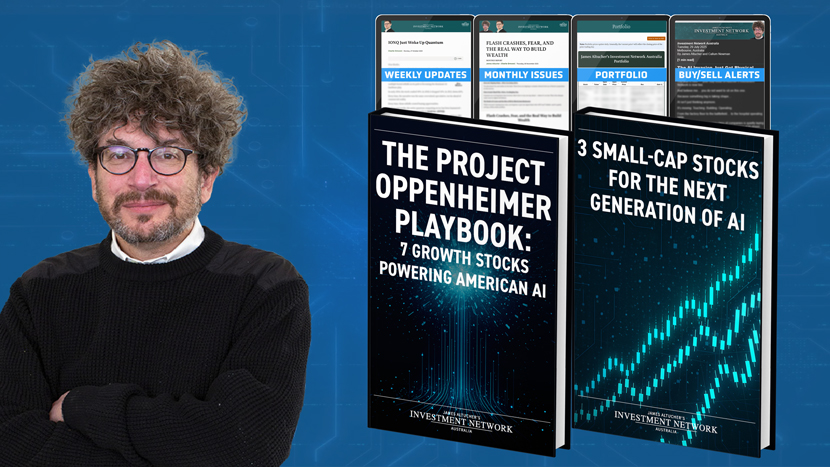
- Instant access to monthly issues — packed with specific actionable research and recommendations that put you ahead of wealth-building tech trends…
- Weekly updates — that keep you informed on stock positions, and any market-changing developments…
- Real-time buy and sell alerts — delivered by email — so you never miss the perfect moment to buy or sell…
- A library of James’s best research on today’s hottest trends…
- Regular analysis on our ‘Top 5 Buys’ — detailing the biggest stocks and best ideas on our minds right now…
And don’t forget the special reports you also receive:
- ‘The Project Oppenheimer Playbook: 7 Growth Stocks Powering American AI’ — which details the company’s building America’s new AI infrastructure…
- ‘3 Small-Cap Stocks for the Next Generation of AI’ — which includes three tiny stocks set to soar as this boom unfolds…
You can get instant access to both of these special reports…
When you subscribe to Altucher’s Investment Network today.
JAMES:
And if you end up deciding my newsletter isn’t for you, no problem.
Simply call up my customer service team within your first 90 days, and they’ll give you a full refund.
No questions asked, no strings attached — we remain friends.
You’ll get your money back.
Plus, you’ll get to keep the special reports at zero cost to you.
AARON:
Now, on the topic of cost, what’s the price for a subscription to your research?
JAMES:
Look, my publisher charges a small fee to cover our operating expenses.
The official price is $299 for a full year’s subscription.
But Project Oppenheimer will be the biggest tech build-out of our generation.
$7 trillion is being poured into the economy right now.
And I do not want people to miss this opportunity.
So, I’ve asked my publisher
to offer a special deal…
Today, you can become the newest member of Altucher’s Investment Network for just $49.
That $49 entitles you to three months’ membership to my research service…
Including instant access to everything we’ve been talking about today.
And if you stick around for the entire year, you’re saving over $100 compared to the official price.
Plus, there’s one more play that I would like to share…
Now, we’ve talked about how I believe Project Oppenheimer will create trillions of dollars in new wealth.
But here’s what most investors are going to miss…
There’s a digital asset sitting at the heart of this revolution.
Most people have never heard of it, but early investors could see the kind of life-changing returns we have not seen since the early days of crypto.
And that’s why I’m including a third special report called…
 ‘My #1 Cryptocurrency for Project Oppenheimer’.
It reveals everything — the name of this crypto, how it works, and exactly how to get in position.
Even if you’ve never touched a crypto before, this could be the speculation of a lifetime.
AARON:
Now, let me quickly recap everything you’ll get when you say yes to an obligation-free subscription to Altucher’s Investment Network.
You’ll receive…
- Special report number one: ‘The Project Oppenheimer Playbook: 7 Growth Stocks Powering American AI’…
- Special report number two: ‘3 Small-Cap Stocks for the Next Generation of AI’…
- Special report number three: ‘My #1 Cryptocurrency for Project Oppenheimer’…
You’re also getting:
- New monthly issues…
- Weekly updates…
- Real-time buy and sell alerts…
- And a library of special reports…
Now, you should see a ‘JOIN NOW’ button on your screen.
Go ahead and click that button.
Pressing that button doesn’t obligate you to anything.
You’ll simply be taken to a secure order page where you can review the details of today’s offer in full.
And keep in mind that over the next three months, you can ask for a full refund at any time.
Now, James, any last words?
JAMES:
You know, I just want to say once again, thank you for taking the time to learn about my prediction…
And how Project Oppenheimer will change the world…
Obviously, I feel very strongly about this.
I know you’re going to enjoy reading my research and recommendations.
And look, again, my goal is I try to build a community of like-minded people who care about their financial health, their financial freedom…
Who want to break free from basically the monopoly that Wall Street and Silicon Valley has had on your money.
This is the way I strongly believe.
AARON:
Alright, that’s a wrap for us.
Go ahead and click the button below, and we’ll see you on the inside.